

Substratism, Societal Collapse, & The Origin of Continents
This Week's Science Bits from Sabine

Humans are Super Prejudiced Against Machine Minds
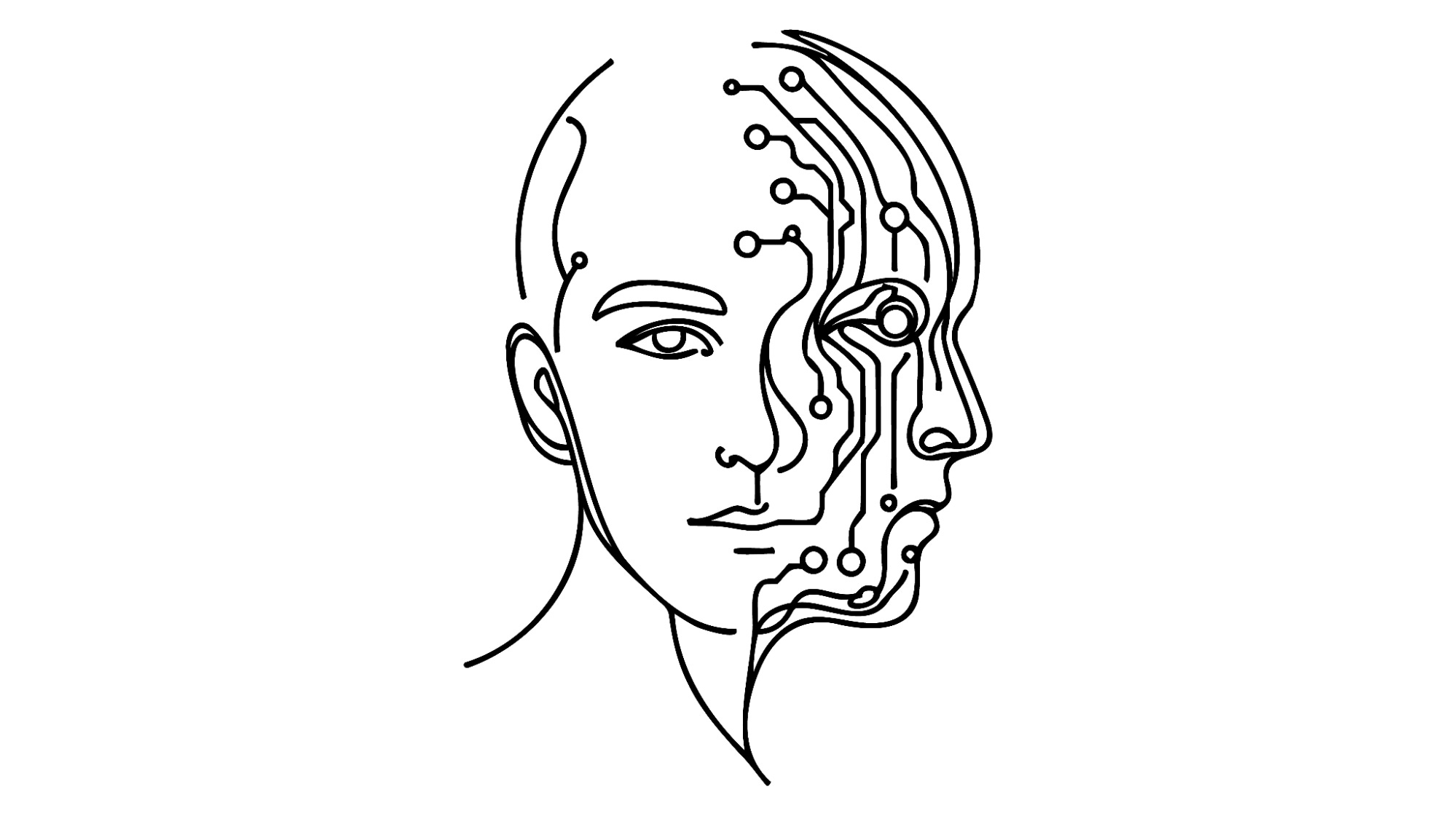
A group of sociologists have studied how much more value humans assign to other humans – in blood and flesh – versus, hypothetically, the same mind but run on computer hardware rather than a biological brain. Across five preregistered studies involving more than 2000 people, participants were asked to imagine exact digital copies of humans and pigs with the same thoughts, memories, pleasures and capacity for pain as their biological originals. When forced to choose, the participants favoured protecting one biological human over about 1,000 digital humans, and one biological pig over 1,000 digital pigs. The researchers call this bias “substratism”. Stronger substratism also predicted giving less money to charity dedicated to welfare of sentient AI. The effect showed little or no relationship with racism, sexism or several other established prejudices.
Cooperation Makes Societal Collapse More Likely

Anthropologists in the US have found that populations who cooperate with others become more vulnerable. The team used census records for more than 200 Indigenous populations in the Brazilian Amazon. On statistical grounds one expects that the relative fluctuations to the population size from births and deaths decrease the larger the population. That is to say, the deviations from average should become smaller, and statistical analysis predicts just how. Alas, the researchers found that fluctuations in population growth fell only half as quickly as expected with population size. They argue the reason is that cooperation couples risk factors like food shortages, diseases, and environmental hazards, so births and deaths no longer occur independently.
Paper here. Press release here.
Milky Way Built Earth's Continents, Scientists Claim
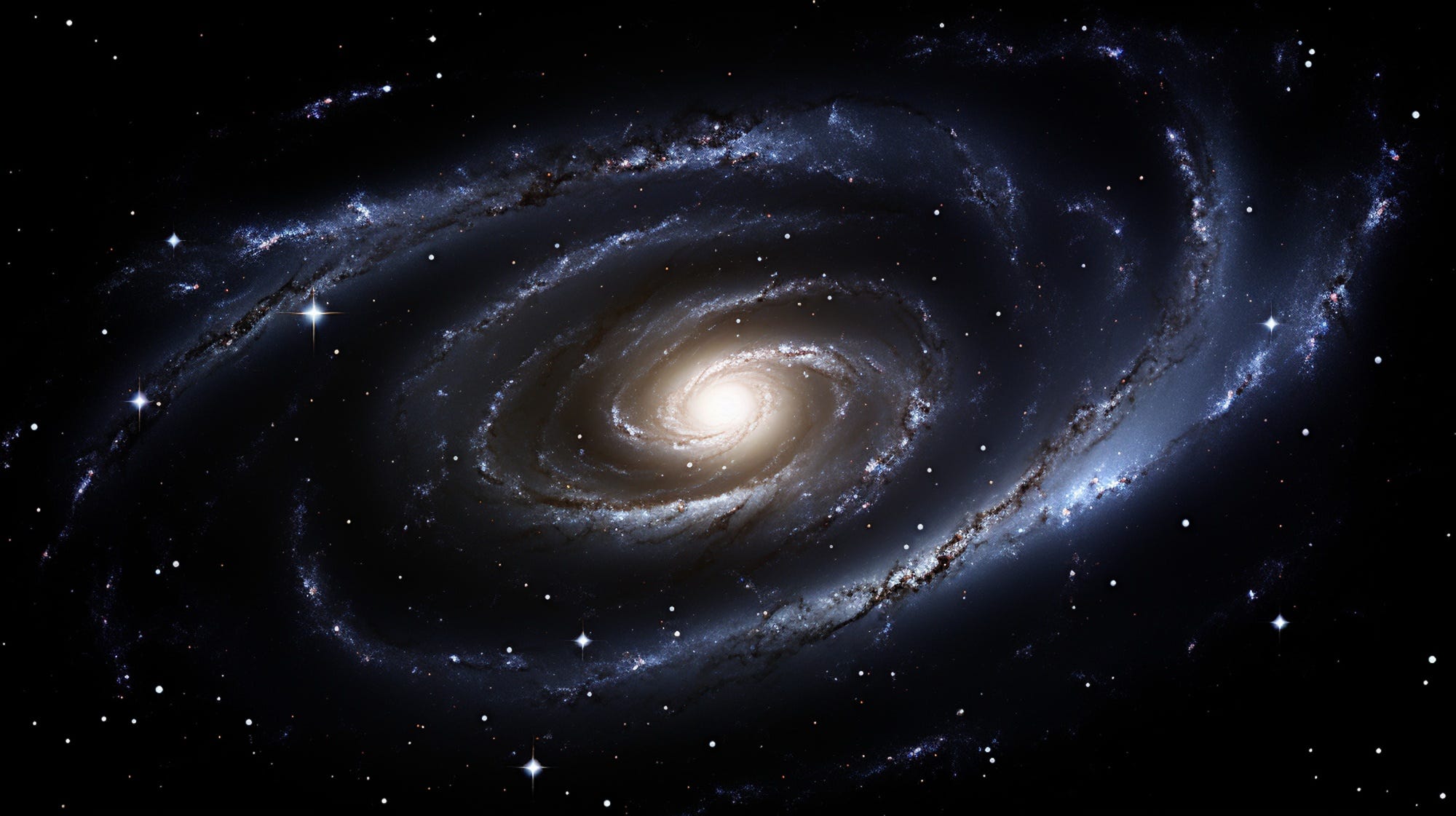
Geologists at Curtin University claim that Earth’s continents owe their existence to the structure of our galaxy. They analysed a global dataset of isotopes in ancient crystals and found that sudden changes, which indicate fresh crust production, recur with roughly each 190 million years which happens to match the estimated interval at which the Solar System crosses the Milky Way’s spiral arms.
Their explanation is that when Earth passes through the spiral arms, other solar systems and heavy clouds of gas come nearer to ours, and that causes more fluctuations of the gravitational field. This, so the idea, disturbs the Oort cloud — a shell of icy bodies surrounding the solar system. As a consequence, Earth gets showered with comets. The impacts caused a local thinning of earth’s crust which seeded the continents.
Paper here.