

Data Centres in Space, Collective Intelligence, & OpenAI’s Scientific Edge
This week’s science bits from SWTG
It Wasn’t the Chinese After All!
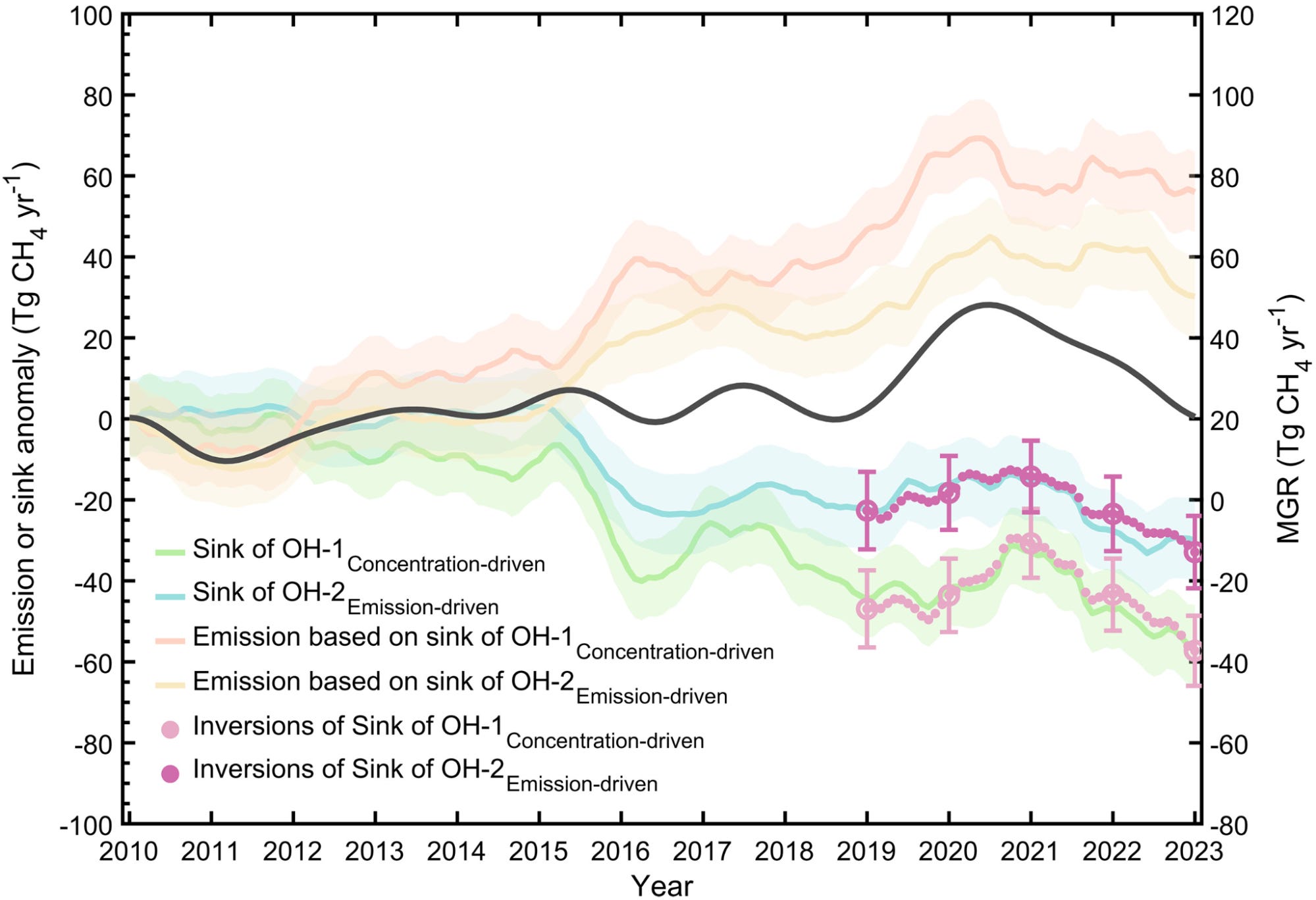
In 2020-21, global concentrations of methane in the atmosphere rose surprisingly, for no known reasons. This was the cause of much concern, because methane is a very potent greenhouse gas – even more so than even carbon dioxide – though it is not as long-lived. Speculations at the time blamed the Chinese for underreporting methane emissions from their coal mines.
A recent study has found that the increase in atmospheric methane did not come from higher methane emissions – rather, it was mostly (ca 80%) a consequence of the staggering decrease in road transport during the COVID pandemic. Less road transport means fewer nitrogen oxide emissions. But nitrogen oxide reacts with oxygen and water vapour to create OH radicals, which is a catalyst in the decay of atmospheric methane. Hence: Less road transport caused higher methane levels. Paper here.
New AI Tool Turns Text into Ready-to-Publish Science Diagrams
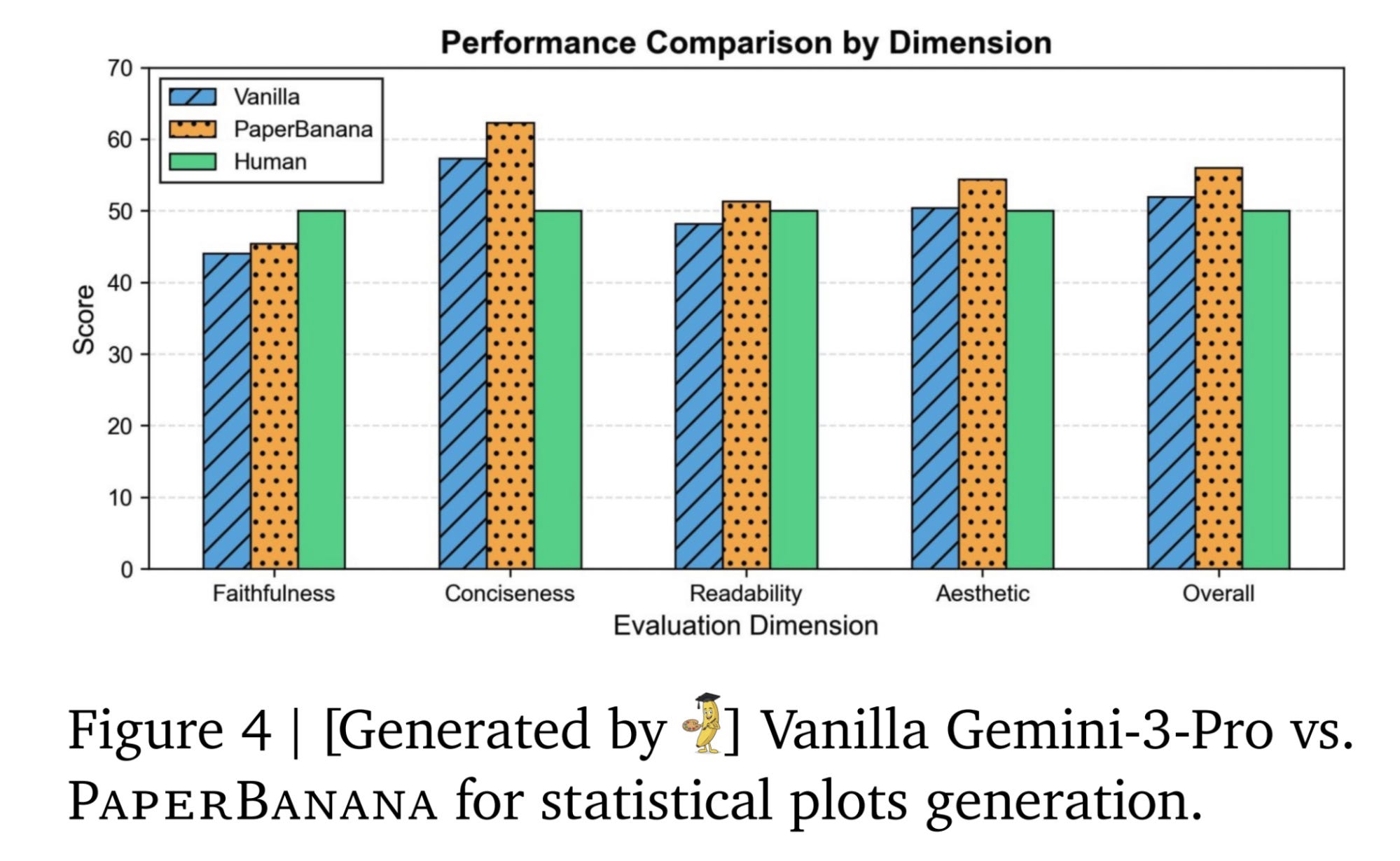
Researchers from Google Cloud AI Research have announced PaperBanana, an AI system that makes professional diagrams and charts for research papers. It first uses Gemini 3 Pro to plan the layout, pull in examples from other papers, critically assess the plan and – if necessary – revise. Then it hands the job to Nano Banana Pro to draw the actual pictures. The authors developed a new rating system for scientific illustrations, and then tested their system with almost 300 neuroscience papers. On their own benchmark, as well as according to human judges, the AI-generated images slightly outperformed the human-generated ones. The tool is open-source, but you either have to figure out how to install and run it yourself, or you can join the waiting list for a more user-friendly solution here. Paper here, code here.
Near-Perfect Zero-Friction Coating
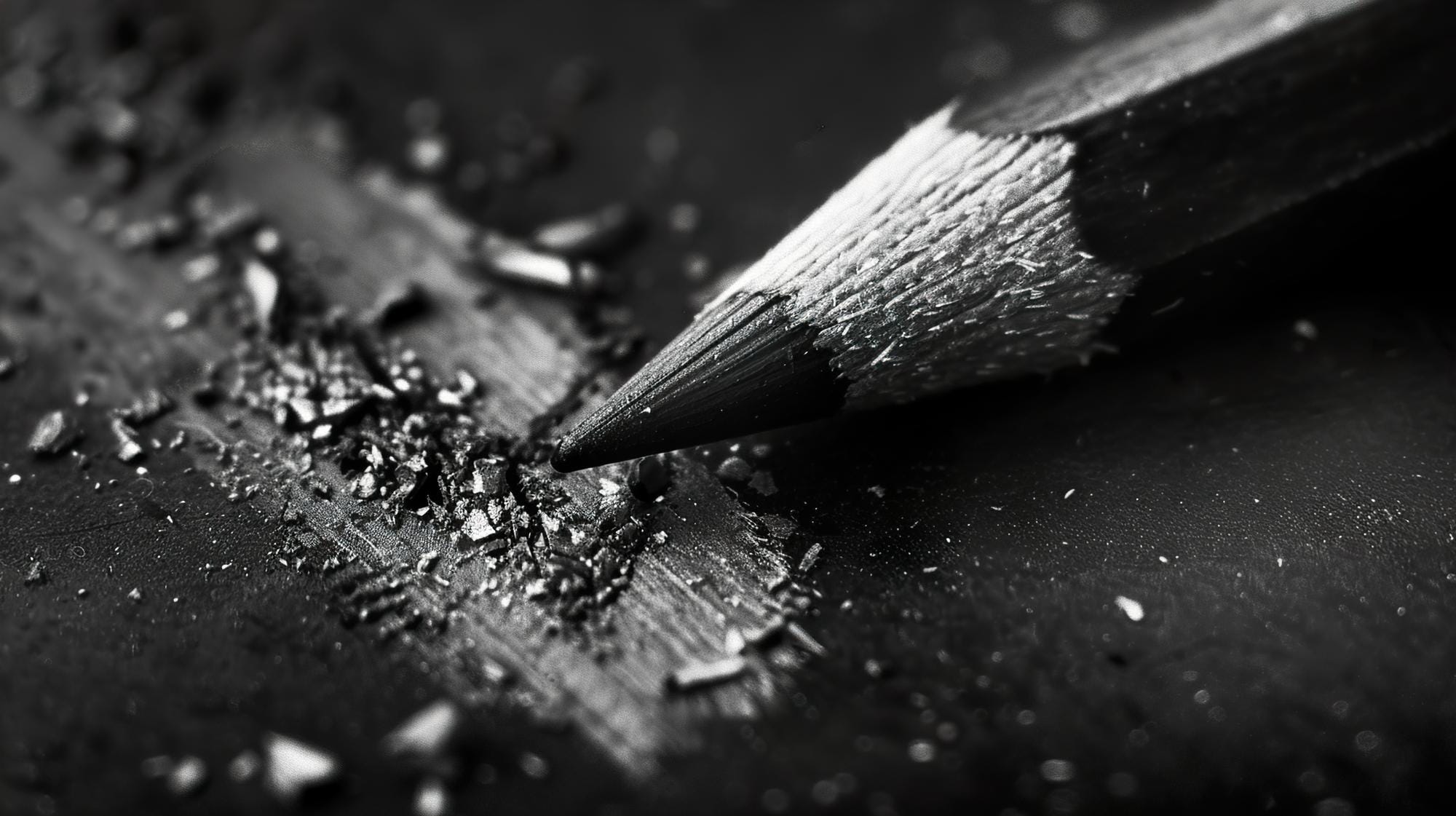
Researchers from China have shown that it is possible to make two solid objects slide past each other with almost no friction. The material they used isn’t anything fancy: it’s graphite, the same stuff that pencils use. Graphite is made of many extremely thin sheets stacked on top of each other. Those sheets can slide easily, which is why pencils work.
The authors of the new paper grew very pure graphite crystals with almost no defects. Then they peeled off flakes that are about a tenth of a millimetre wide. And those, they showed, slid over each other with almost zero friction. The reason this didn’t work previously was simply that it’s difficult to grow the graphite purely enough! A tenth of a millimetre is not large in absolute terms, but it is large enough for microscopic devices. It’s also much larger than what previous demonstrations achieved.
Their no-friction material has a peculiar feature, though, which is that the friction depends on how the atomic lattices in the two surfaces are aligned. For some angles friction is low, while for others it is high. This might come in useful for some applications, but it’s still not the universal no-friction coat we’re hoping for. Paper here.